
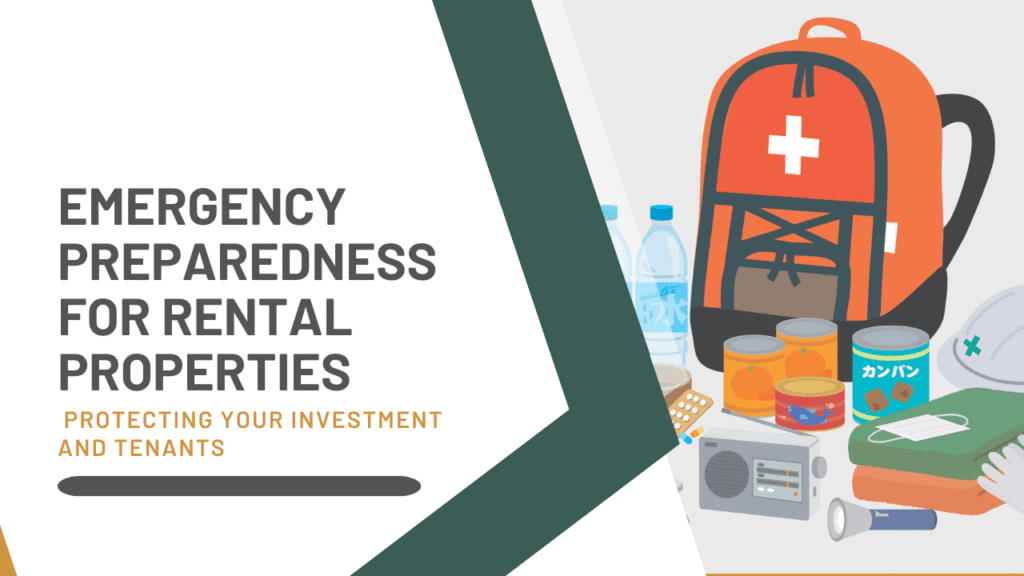
Are you prepared for an emergency at your Oakland rental property?
It could be anything. Earthquakes. Wildfires. Fires. Floods. Vandalism. We don’t love thinking about the worst case scenarios all the time, but we’ve found that it’s much easier to survive and recover from an emergency when we’re prepared for it.
Emergency preparedness protects your investment, reduces liability, maintains tenant trust, and ensures your rental investment can survive disruption. Here’s how we recommend owners prepare for the worst.
| Overview of Action Steps:
1. Review your insurance policies. 2. Confirm emergency vendor contacts. 3. Test all smoke and CO detectors. 4. Clean gutters before the rainy season. 5. Draft a basic emergency communication template. 6. Update tenant contact information. |
Oakland’s Real Risk Profile
What are you actually preparing for? Emergency planning starts with understanding local risk.
In Oakland, the most significant threats include:
- Earthquakes, particularly along the Hayward Fault
- Wildfire and smoke events, especially impacting the hills and air quality citywide
- Heavy winter storms and flooding
- Extended power outages
- Landslides in hillside properties
- Urban fire risk in dense neighborhoods
These are just the external threats. You also have to worry about tenants leaving the stove on, pipes bursting behind walls, and criminals seeing an opportunity in your vacant property. It’s hard to think of everything, but begin with protecting yourself against the risks that you know are most imminent.
Emergency Preparedness as a Business Strategy
Protecting tenant life and safety is the top priority. But preparedness also protects your rental income, the physical asset, your insurance claims viability, and your reputation. When emergencies happen, unprepared landlords face longer vacancies, higher repair costs, tenant disputes, habitability claims, and sometimes litigation. Prepared landlords recover faster and with less financial shock.
Develop a Written Emergency Response Plan
Yes, we did say written.
Otherwise it’s not really a plan. A strong emergency response plan should include:
- Defined Roles
Even if you’re a small landlord, clarify who the decision-maker is and who will contact tenants. If you’re working with a property manager in Oakland, you’ll be fortunate to have an expert partner coordinating repairs and interacting with residents.
- Communication Protocols
During an emergency, uncertainty causes panic. Tenants want answers. Your plan should outline how primary communication will work. Identify a backup method if systems are down. Include expected response timelines and make sure everyone has an emergency contact number.
Fire Safety
We can’t not talk about fires. It has been decades since Oakland was ground zero for a major wildfire, but we feel the impacts of nearby wildfires year after year. And fire is a risk in rental homes all the time. Ensure that smoke detectors are installed and tested regularly and that carbon monoxide detectors are functional. Fire extinguishers must be accessible and maintained. Clear out the lint in dryers during turnovers.
Earthquake Preparedness
We have not yet found a way to prevent earthquakes. But we do know that there are ways to reduce the damage they can cause. Structural measures we are always paying attention to include:
- Secure water heaters with proper strapping.
- Anchor heavy appliances.
- Bolt bookcases or tall cabinets in furnished units.
- Consider seismic retrofitting for older buildings.
When it comes to operations, we suggest posting gas shutoff instructions and ensuring main utility shutoffs are clearly labeled.
Storm and Flood Preparedness
Heavy rain can expose vulnerabilities quickly. Preventative steps include:
- Cleaning gutters and downspouts before rainy season.
- Checking roof integrity annually.
- Ensuring proper drainage around foundations.
- Trimming trees that could fall during high winds.
Water intrusion is one of the most common and expensive emergency repairs. Prevention costs far less than remediation.
Emergency Maintenance Response Protocol
Every landlord should have a clear definition of what constitutes an emergency. Typically, emergencies include gas leaks and major water leaks as well as electrical hazards. If there’s any structural damage, that’s going to be an emergency. A loss of essential utilities requires an immediate response.
Your lease should define how tenants report emergencies and include a 24-hour emergency contact number. Response time matters. If a tenant reports a burst pipe at 10 p.m., waiting until morning may significantly increase damage and liability.
Make sure you have good vendor relationships in place. Trying to find help after disaster strikes is inefficient and costly. This is another excellent reason to work with professional Oakland property managers.
Updating Insurance for Oakland Rentals
The insurance landscape in California has been tricky over the last couple of years, thanks to the volume of wildfire damage, higher costs to make repairs and replacements, and a variety of other financial, legal, and regulatory factors. But insurance is absolutely necessary to protect your investment. Review what you have and what you need for:
- Property hazard coverage
- Earthquake insurance
- Flood coverage (if applicable)
- Loss of rental income protection
- Liability coverage limits
Standard policies often exclude earthquakes and floods. Many Oakland landlords mistakenly assume they’re covered when they’re not. Review policies annually with a knowledgeable broker. Understand deductibles. Understand exclusions. Ask specifically about business interruption coverage.
We always encourage owners to require that tenants carry renter’s insurance. It protects their belongings and can reduce disputes after disasters.
Preparing for Emergencies Financially
Even with insurance, emergencies can be devastating financially for rental property owners. There are deductibles to meet and contractors who need to be paid. There might be a temporary vacancy or a delayed reimbursement from insurers.
We recommend setting up and maintaining an emergency reserve fund. A common guideline is at least three to six months of operating expenses should be held in case of an emergency. Cash flow stability during a crisis helps you to recover smoothly.
Preparedness Is an Ongoing Process
 Emergency preparedness is not a one-time checklist. It should be reviewed annually and after any major repair. If there’s a local disaster or if laws or building codes change, it’s time to re-evaluate. Put a regular audit of emergency plan on your calendar.
You can’t control earthquakes. You can’t stop storms. You can’t eliminate every risk.
But you can control your planning and your communication. Documentation is well within your control, and you are the one choosing your insurance coverage. Response speed and professional partnerships are always up to you.
Let’s talk about where you stand now and what needs to be done to ensure you’re ready to tackle the next emergency. Contact us at Marquardt Property Management. We provide expert property management in Oakland, and we also work in surrounding communities like Hayward, Pittsburg, and Concord.
